
Choosing the right team for seasonal heating and cooling takes clear thinking, steady questions, and a plan that holds up under pressure. You want consistent comfort, predictable bills, and work that stands up through summer highs and winter lows. That starts with defining needs, setting a schedule, and verifying the people you bring in can deliver on that plan. Aim for fewer surprises and cleaner handoffs. Ask for proof, not just talk. Whether it’s a small condo or a corner café, map the rooms, airflow, and controls before anyone lifts a tool. A clear roadmap reduces rework. If you’re upgrading hvac components, think beyond install day and weigh filter access, drain paths, and service clearance. A good choice is durable, quiet, and easy to maintain.
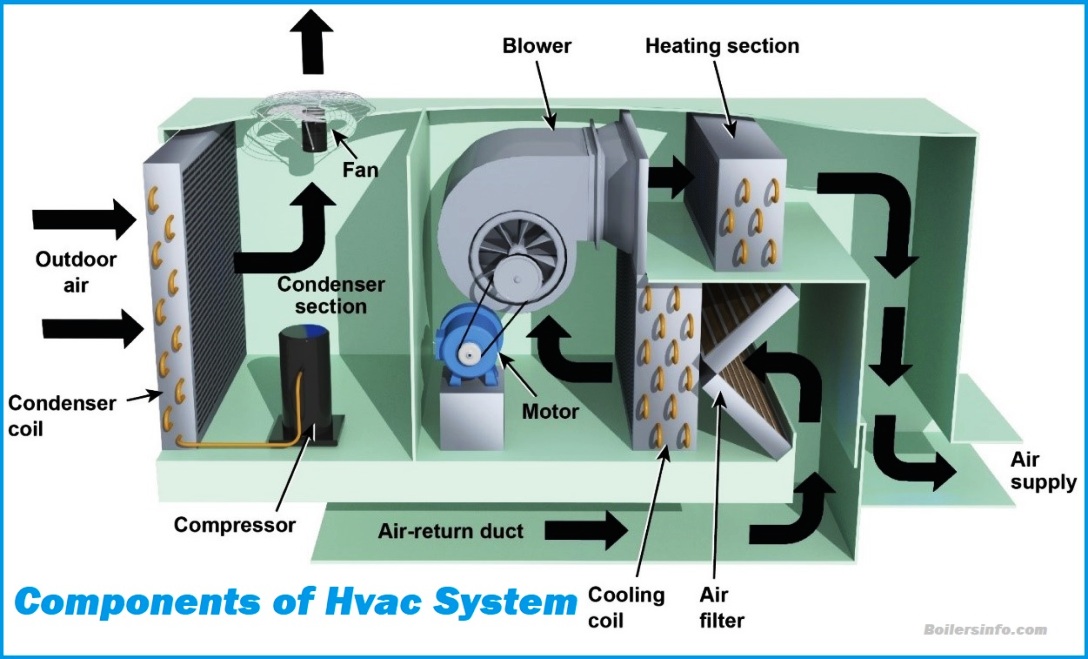
Agree on capacity targets and airflow rules up front
Start by listing rooms, occupancy, and hours of use, then note hot spots, cold corners, and noise sensitivities. You can compare local proposals faster using hvac for a quick snapshot of options. Map return paths and supply vents, and record where doors stick or where sun loads peak at noon. Log thermostat settings to cut guesswork later. Request duct static readings before anyone talks timelines.
Pick targets now so changes don’t creep in later. In a duplex retrofit, cap temperature swing at two degrees across floors, and set a quiet-hour policy after 9 p.m. Tie sign-off to clear, testable outcomes. For a café, commit to 68–72°F by opening time, with humidity under 55% during lunch rush. Clear limits prevent disputes.
Balance durability with real-world access constraints
Select filters you can actually change on a ladder, and coil coatings that resist coastal air if you’re near salt spray. For quicker apples-to-apples comparisons, check spec sheets while you review hvac alongside brand warranty terms. Leave room for trap cleaning. In small offices, low-profile duct sections can prevent soffit bulges; in older homes, lined flex drops may tame whistling. Smart choices cut callbacks.
Choose refrigerants that meet current rules and phase-down plans. A split system serving a yoga studio might favor variable-speed compressors for gentle ramps and calm rooms. Use corrosion-resistant fasteners near kitchens for resilience. When picking controls, prioritize simple menus so staff can adjust setpoints without digging through cryptic screens. Plain wording lowers errors.
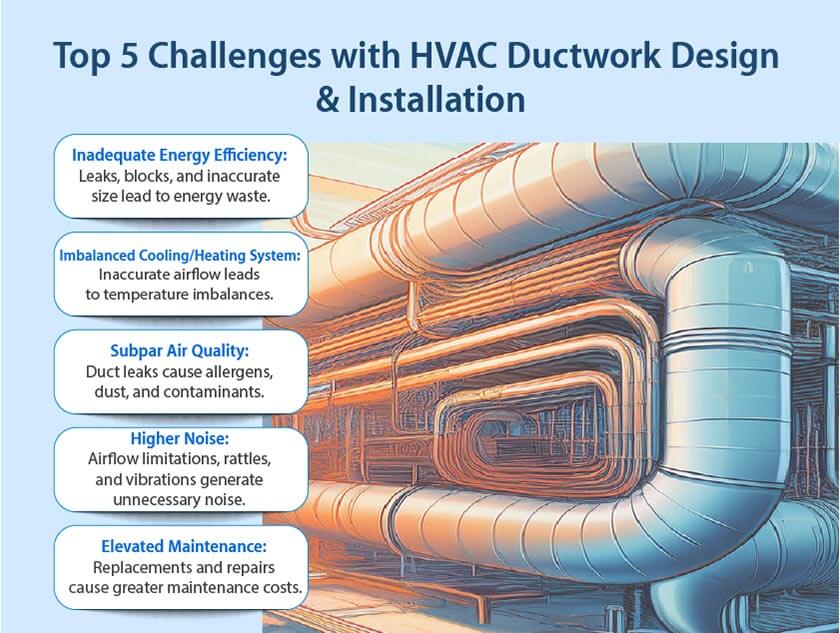
Map tasks and trade timing to limit downtime
Lay out the step-by-step path: demo, seal, set, wire, charge, test, and train users—then buffer weather days. While comparing schedules, line up proposed timelines with hvac so you spot gaps before they cost you. Split zones to keep air moving. In a boutique, crews can set condensers at dawn, then finish thermostat wiring after close. Tight calendars rely on prep.
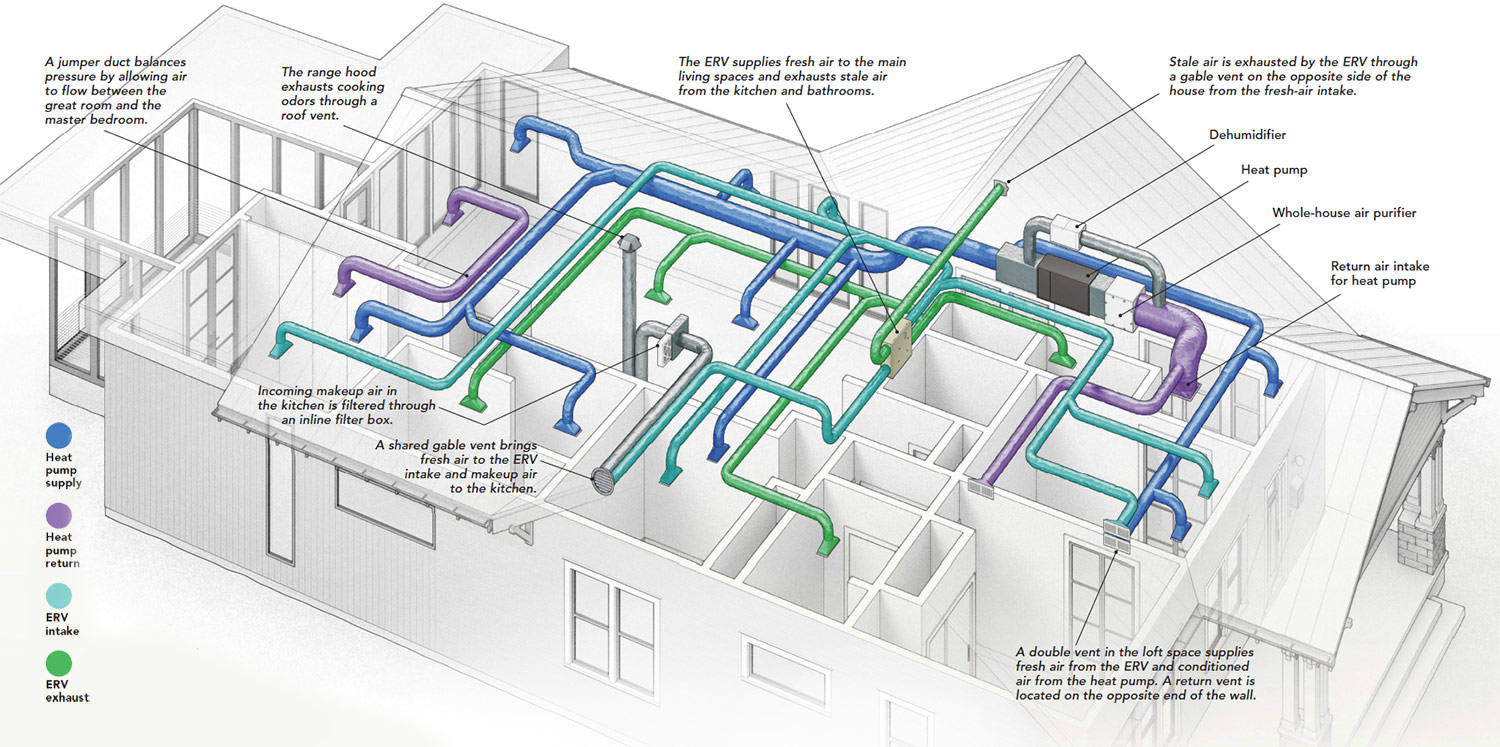
Post day-by-day notes where people can see them. For a daycare, schedule filter-box swaps on Friday evenings, then bring fresh air tests on Monday at 7 a.m. Pre-book parking for cranes to avoid stalls. In a tri-plex, run temporary fans during cutover so bedrooms don’t stale out overnight. Clear roles speed recovery.
Verify quality with tests, logs, and photos
Set expectations for startup: measure static pressure, verify superheat and subcool, and record delta-T across coils on a labeled sheet. Ask bidders to show how they’ll document results, then align those promises with hvac during your review call. Require smoke tests on duct seams. In a salon, confirm return paths aren’t pulling hair spray; in a bakery, verify hood makeup air balance at peak bake. Proof protects budgets.
Hold retainage until the checklist clears. For one small shop, airflow rose 18% after resealing two elbows and trimming a crushed flex run. Label breakers and disconnects so service is safer. If you replace a furnace, confirm combustion air, vent pitch, and CO at registers during occupied hours. Good habits prevent midnight calls. Also, make sure hvac service notes live in a shared folder for the next tune-up.
Plan trade-offs and lifecycle costs before signing
Price the job in buckets: equipment, install labor, controls, duct fixes, and training—then flag what can phase. When vetting proposals, compare total cost of ownership while you reference hvac to keep options organized. Ask for a good-better-best spread. In a rental, a sturdier coil may beat top-tier efficiency if tenants are rough on panels. Skip frills that won’t get used.
Use utility rebates and off-season scheduling to trim spend. For a home office, a quieter air handler could be worth an extra $12 a month if calls stay crisp. Test pilot fixes before full rollout. In a diner, simple controls with lockout codes can curb "backroom fiddling" that burns cash. Numbers keep choices honest.
Set care plans and daily habits to extend life
Write a 12-month calendar: spring coil wash, summer drain checks, fall heat safety, winter filter swaps every 60–90 days. Ask your short list to include maintenance outlines as you compare them with hvac so cadence is crystal clear. Track run hours on a clipboard. In a gallery, plan quiet cleanings before exhibits open; in a gym, schedule belt checks Sunday nights. Clean parts breathe easier.
Teach users how to spot early trouble sounds and smells. For a mother-in-law suite, remind guests not to block returns with luggage. Vacuum grilles monthly. In a pet clinic, pre-filter mats can catch fur before it hits coils. Consistent care holds comfort steady.
In the end, your plan ties needs, parts, timing, proof, and care into one steady arc. Strong choices now pay you back in quiet comfort. The right team will align with your goals, back results with measurements, and explain upkeep in plain language. Simple, tested steps beat guesswork every time.